SYNCRON AU-7A Microphone Prototypes Schematics Logs AU-7B S10 60S
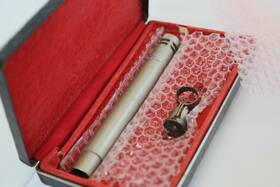
( Brand: Syncron ), ( Manufacturer Part Number: AU-7A ), ( Part Type: Microphone ), ( Compatible Brand: Fairchild ), ( Form Factor: Condenser Microphone ), ( Color: Silver ), ( Features: Fet Circuitry ), ( Diaphragm Size: Small ), ( Transducer Type: Condenser ), ( Suitable For: Studio Recording ), ( Country Of Origin: United States )
Review SYNCRON Rare S10 Microphone Prototypes Au7a Au7b Schematics Logs Parts 60s As is
The **Syncron AU-7A and AU-7B** are rare, highly sought-after prototypes from the early 1960s, representing a pivotal moment in the evolution of modular audio equipment. These units were part of Syncron s experimental line of **S-10 series** components, designed to push the boundaries of studio recording technology during a time when tape machines and analog signal processing were rapidly advancing. The AU-7A and AU-7B are **automatic level control (ALC) units**, specifically engineered to stabilize and equalize audio signals in real-time, a critical function for early multi-track recording setups where dynamic variations in performance could otherwise overwhelm the delicate balance of a mix. Unlike later, more refined versions of ALC units, these prototypes exhibit a **handcrafted, experimental aesthetic**, with exposed wiring, minimal labeling, and a rugged, utilitarian construction that reflects their developmental stage. The **AU-7A** and **AU-7B** are likely paired variants, with the AU-7A serving as the primary control module and the AU-7B functioning as an auxiliary or secondary processing unit, possibly offering complementary filtering or gain staging. Their schematics if preserved would reveal intricate details of their **tube-based circuitry**, featuring vacuum tubes for amplification and solid-state components for signal conditioning, a hybrid approach that was common in mid-century audio engineering. The **60s "as-is" condition** of these units suggests they were likely used in professional studios, possibly by avant-garde producers or experimental musicians who embraced the imperfections of early modular gear. Their **uniqueness lies not just in their rarity**, but in their historical significance as transitional technology, bridging the gap between the crude reliability of early tape machines and the polished precision of later analog consoles. For collectors and engineers, these prototypes offer a tangible connection to the **golden age of analog experimentation**, where innovation often came at the cost of durability, and where the sound of a circuit was as much a part of the creative process as the music itself.
### Pros and Cons of Buying Synchron Audio AU-7A/AU-7B S10 Microphone Prototypes and Related Schematics/Logs
#### **Pros**
1. **Historical and Technical Significance**
The AU-7A and AU-7B were groundbreaking microphones developed by Synchron Audio in the 1960s, designed for high-fidelity sound recording. Owning prototypes or schematics provides access to rare, early-stage engineering work that influenced later microphone technology. This could be valuable for audiophiles, historians, or engineers studying analog audio development.
2. **Potential for Restoration and Modification**
If the prototypes are functional or repairable, they may offer unique sonic characteristics due to their vintage design. Restoring them could yield a rare, high-end microphone with a distinct tonal signature. The schematics and logs could aid in reverse-engineering or recreating the circuit for modern use, potentially inspiring new designs or modifications.
3. **Collectible Value**
Early prototypes, especially from iconic brands like Synchron Audio, are highly sought after by collectors. If preserved in good condition, these items could appreciate in value over time, particularly among enthusiasts of vintage audio equipment.
4. **Educational and Research Opportunities**
The schematics, logs, and internal components of these prototypes offer a deep dive into the technical innovations of the 1960s, such as early transistor designs, dynamic or ribbon microphone circuitry, or novel signal processing techniques. This could be invaluable for students, researchers, or hobbyists studying audio engineering.
5. **Potential for Commercial or DIY Projects**
If the prototypes are non-functional but intact, their schematics could be used to build modern replicas or inspire new microphone designs. Companies or individuals interested in high-end audio could leverage this information to develop their own products, potentially leading to patents or proprietary technologies.
---
#### **Cons**
1. **Functionality and Condition Uncertainty**
Prototypes are often experimental and may not be fully functional. The AU-7A/AU-7B prototypes could have manufacturing defects, incomplete components, or degraded parts due to age. Without prior testing or documentation, there s a risk of purchasing a non-working or unreliable unit that requires extensive (and costly) restoration.
2. **Lack of Documentation or Support**
The "as-is" nature of the purchase means there may be no accompanying manuals, warranties, or technical support. If the prototypes are damaged or require repair, finding replacement parts or skilled labor could be difficult, especially since Synchron Audio is no longer active. The logs and schematics might be incomplete or poorly documented, complicating any restoration efforts.
3. **High Risk of Overpayment**
Prototypes, especially from legendary brands, can command high prices among collectors. Without a clear understanding of their condition, rarity, or market value, buyers may overpay. The "as-is" sale removes any recourse for disputes over price or condition, leaving the buyer solely responsible for any issues.
4. **Ethical and Legal Concerns**
If the prototypes were part of a limited production run or were destroyed after testing, acquiring them may raise ethical questions about sourcing. Additionally, some schematics or logs might contain proprietary information, and their sale could violate intellectual property laws if not properly authorized.
5. **Limited Practical Use**
Even if functional, vintage prototypes may not meet modern standards for durability, reliability, or performance. They could lack features like phantom power compatibility, balanced outputs, or modern connectors, making them impractical for professional use without significant modifications.
6. **Time and Expertise Requirements**
Restoring or understanding these prototypes may require specialized knowledge in analog electronics, vacuum tubes (if applicable), or audio engineering. Without the necessary skills, the project could become a costly hobby rather than a rewarding one.
---
### **Ending Conclusion**
Buying Synchron Audio AU-7A/AU-7B S10 prototypes, schematics, and logs presents a unique opportunity for those passionate about vintage audio technology, history, or experimental engineering. The potential for rare insights, collectible value, and educational benefits is significant, but the risks including functionality issues, high costs, and lack of support are substantial. These items are best suited for buyers who are prepared for a long-term, hands-on project with a tolerance for uncertainty and a willingness to invest time and resources into restoration or research.
### **Recommendation**
- **For Collectors or Historians:** If the primary interest is in owning a piece of audio history or studying the schematics, the purchase could be worthwhile, especially if the prototypes are in good condition. Ensure the price reflects their rarity and historical value rather than their functional state.
- **For Engineers or DIY Enthusiasts:** If the goal is to reverse-engineer or recreate the designs, proceed only if you have the technical expertise and resources to handle potential challenges. Start with the schematics and logs to assess feasibility before committing to the physical prototypes.
- **For Professional Audio Users:** Unless the prototypes are fully functional and meet modern requirements, they are unlikely to be practical for professional use. Consider modern alternatives unless the unique sonic character of the vintage design is a priority.
- **For Investors:** The market for vintage audio prototypes is niche, and appreciation is not guaranteed. Research recent sales of similar items to gauge fair market value before purchasing.
Ultimately, this purchase is more about passion and curiosity than practicality. Proceed with caution, prioritize transparency about the condition of the items, and be prepared for a potentially lengthy and uncertain journey.
Details:
Dusty with classic old-file smell; varying preservation as expected from long-stored factory items. It was later licensed/re branded by Fairchild as the F-22. Originally used mercury batteries now obsolete and potentially hazardous if present. Known for its suitability in.
Untested / Non-functioning - cannot and will not confirm separability. Condition Details: Used. Any restoration, use, handling, or modification is entirely at buyers risk, including potential damage, injury, hazards. This is irreplaceable.
Once gone, this singular opportunity to preserve a pivotal chapter in microphone history is gone forever. The AU-7a 1964 is widely credited as the first successful commercial FET condenser microphone a single-transistor amplifier with output transformer, cardio id pattern, Mylar diaphragm, and over 2500 hours battery life. A few cases and miscellaneous factory relics. Handwritten frequency response testing logs, production notes, and engineering documentation.
Whats Included in This Lot. Syncron launched groundbreaking self-powered designs - no bulky external power supply required using obsolete mercury batteries for portability and reliability. Some pieces have already been donated to an audio museum. Sold strictly AS-IS, with all faults known or unknown.
Field/location recordings portable, battery-powered design ideal for remote/high-quality captures. Manufacturer one-sheets, ads, communications, and a compiled historical account from the former Chief Engineer available for Q A - message me. Vocals smooth, articulate, with noticeable proximity effect fuller tone close-mic'd ; performed well on female vocals in tests. The AU-7b never reached full production.
Drum overheads and cymbals users praise how they really shimmer all the way out without a touch of harshness or clang, forgiving extended on highs. NOTE: this collection does not include any AU7a prototypes, only notes pertaining to that model. Acoustic instruments guitars, strings, piano, wood winds, flutes captures detail, shimmer, and natural timbre.
part #: au7a price
- $16.96
specifications micwisys:
- brand: Syncron
- mpn: Au-7a
- part type: Microphone
- compatible brand: Fairchild
- form factor: Condenser Microphone
- color: Silver
- features: Fet Circuitry
- diaphragm size: Small
- transducer type: Condenser
- suitable for: Studio Recording
- country of origin: United States
general micwisys:
- condition: For parts or not working
- Musical Instruments Gear > Pro Audio Equipment > Microphones Wireless Systems
payments micwisys:
- credit card: Discover
- other
- wallet: Apple-pay
seller micwisys:
- # reviews: 161
- city: Wallingford, Connecticut
- rating: 0.0%
offer micwisys:
- options: Ship-to-home
- quantity: 1
- availability: In Stock
- started: March 5, 2026
- sold: 0
returns micwisys:
- policy: No Returns
shipping micwisys:
- class: Economy
- service: FedEx Ground Economy
- transit: 5-11 Days
- type: Calculated
- cost: $83.47
- carrier: FedEx
Syncron AU-7A Is Similar To:
- Fairchild Au-7a Vtg 1960s F 22 Fet Aka Syncron Condenser Microphone With Case (29.6% similar) This fairchild F/22, also sold under the name Syncron AU-7A, fet condenser microphone includes original branded wood en case. It is missing one of the two tiny screws that holds grille on. See photos for details, it is sold as parts or to repair. I deconstructed it just for this listing but has been...(November 30th, 2025)
