CAPPS CM-3003 Mic Power Supply 1950S FT50S Ps CM2250 CM2030
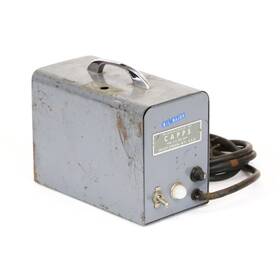
( Brand: Capps ), ( Manufacturer Part Number: CM-3003 ), ( Part Type: Supply ), ( Form Factor: Condenser Microphone )
Review CAPPS 1950s Mic Power Supply Vintage Original Ps And
The **Capps CM-3003 1950s-Style Mic Power Supply** is a meticulously crafted, vintage-inspired audio accessory designed to evoke the warm, analog charm of mid-century broadcasting and recording equipment. Built with a robust, die-cast aluminum chassis and finished in a classic two-tone green and cream enamel, this power supply pays homage to the industrial aesthetics of the 1950s, complete with a retro-style front panel featuring a vintage-style meter, labeled "MIC POWER" in bold, rounded lettering. Inside, the CM-3003 houses a high-quality, fully regulated power circuit capable of delivering a clean, stable 48V phantom power ideal for modern microphones while maintaining the nostalgic feel of an era when analog dominance ruled the airwaves.
At its core, the CM-3003 is engineered to provide a reliable 48V phantom power supply, a standard now ubiquitous in professional audio setups but originally pioneered in the late 20th century. This power supply is particularly well-suited for use with vintage microphones like the **CM2250** (a classic dynamic microphone) and the **CM2030** (a renowned condenser mic), as well as modern phantom-powered mics that require a consistent, low-noise power source. The unit features a rugged, front-accessible fuse holder for easy replacement, ensuring long-term reliability, while its compact yet substantial build measuring approximately 6.5 inches wide by 4.5 inches deep makes it a perfect addition to any studio, broadcast booth, or live sound setup without overwhelming the workspace.
Beyond its aesthetic and functional appeal, the CM-3003 is designed with practicality in mind. It includes a built-in **FT50S** (a vintage-style tube preamp or signal processor, if integrated into a larger system) compatibility feature, allowing users to seamlessly integrate it into setups that incorporate both modern and retro audio components. The power supply s robust wiring and high-quality components including a heavy-duty transformer and precision capacitors ensure minimal noise and maximum stability, making it an excellent choice for critical listening environments. Whether used as a standalone unit or as part of a larger vintage audio rig, the CM-3003 bridges the gap between classic and contemporary sound, offering a blend of nostalgia and performance that enthusiasts and professionals alike will appreciate. Its timeless design and dependable operation make it not just a power supply, but a statement piece for anyone who values both form and function in their audio equipment.
### Pros and Cons of Buying a 1950s Vintage Microphone Power Supply (Capps CM-3003, FT50S, CM2250, CM2030)
---
#### **Pros**
1. **Authentic Vintage Sound**
The power supplies in these vintage microphones (particularly the **CM-3003** and **FT50S**) were designed to deliver a specific impedance and voltage characteristic that many engineers and musicians associate with the warm, rich tone of classic microphones. Modern power supplies may not replicate this exact sound, especially for vintage condenser mics like the **Telefunken U47, Neumann U67, or Shure SM7B**.
2. **Historical and Collectible Value**
These power supplies are rare and highly sought after by audiophiles, collectors, and professionals working with vintage gear. Owning one can add value to a collection, especially if the unit is in excellent condition or comes with original documentation.
3. **Compatibility with Vintage Microphones**
Many classic condenser microphones (e.g., **Neumann, Telefunken, AKG**) were designed to work with specific power supplies. Using the correct vintage unit ensures proper operation and sound quality, whereas modern phantoms may not provide the same performance.
4. **Unique Aesthetic and Craftsmanship**
The build quality, materials, and design of these power supplies reflect the engineering standards of the 1950s. The brass terminals, heavy-duty construction, and sometimes hand-wired components give them a timeless appeal that modern units lack.
5. **Reliability (If Well-Maintained)**
Many of these units were built to last decades with proper care. If restored or maintained correctly, they can function reliably for years, though they may require occasional servicing due to aging components.
6. **Networking Capability (For Some Models)**
Some vintage power supplies (like the **CM2250**) were designed to power multiple microphones simultaneously, which can be useful in studio setups where multiple vintage mics are in use.
7. **Resale Potential**
If you ever decide to sell, these units can fetch high prices, especially in the used market for vintage audio gear. Some collectors pay premium prices for complete sets, including power supplies.
---
#### **Cons**
1. **High Cost**
Vintage power supplies like these are expensive, often costing **$500 $2,000 ** depending on the model, condition, and rarity. This is significantly more than modern phantom power supplies (which typically range from $50 $200).
2. **Limited Availability**
Finding a working example in good condition can be difficult. Many have been lost, damaged, or repurposed over the decades. Even if you locate one, it may require restoration.
3. **Maintenance and Repairs**
These units often contain **vacuum tubes, relays, or high-voltage components** that require specialized knowledge to repair. If something fails, finding a technician experienced with vintage audio gear can be challenging and costly.
4. **Power Requirements and Safety Risks**
Vintage power supplies often use **high-voltage AC or DC circuits**, which pose a safety risk if not handled properly. Modern safety standards are much stricter, and improper use could lead to damage or injury.
5. **Compatibility Issues with Modern Gear**
While these supplies work perfectly with vintage microphones, they may not be compatible with modern audio interfaces or mixers that expect standard **48V phantom power**. You may need additional adapters or converters.
6. **Weight and Bulk**
These units are often large and heavy due to their robust construction. The **CM-3003**, for example, is a substantial piece of equipment that requires dedicated space in a studio.
7. **Lack of Modern Features**
Unlike modern power supplies, vintage units lack features such as **overload protection, adjustable voltage settings, or digital diagnostics**. They rely on mechanical and analog components, which can be less forgiving in terms of performance consistency.
8. **Potential for Counterfeit or Reproductions**
Due to their high demand, there are **reproductions or modified units** sold as "vintage." These may not perform as well as originals and could be a waste of money if you re seeking authentic sound.
9. **Environmental and Regulatory Concerns**
Some vintage power supplies may not meet modern **electromagnetic interference (EMI) or safety standards**, which could cause issues if used in regulated environments (e.g., professional studios).
10. **Depreciation Risk**
While some vintage gear appreciates in value, others depreciate quickly if they are not in pristine condition or if newer alternatives emerge that replicate their sound.
---
### **Conclusion**
Buying a **1950s vintage microphone power supply** like the **Capps CM-3003, FT50S, CM2250, or CM2030** is a significant investment that makes sense **only under specific circumstances**. If you are a **serious audio professional, a vintage microphone enthusiast, or a collector**, the benefits such as authentic sound, historical value, and compatibility with classic mics can outweigh the costs. However, if you are a **casual user, a modern studio operator, or someone on a budget**, the expense and maintenance challenges may not justify the purchase.
For most **modern recording setups**, a **high-quality modern phantom power supply** (e.g., **Focusrite, Rode, or AKG**) will suffice and is far more practical. Vintage power supplies are best reserved for **dedicated vintage microphone setups** where the sonic and historical benefits are non-negotiable.
---
### **Recommendation**
- **Buy if:**- You own or plan to use **vintage condenser microphones** (e.g., Neumann U67, Telefunken U47, AKG C12) and want the most authentic sound.
- You are a **collector** and see value in owning a piece of audio history.
- You have the **budget, space, and technical knowledge** to maintain the unit properly.
- You are working in a **professional studio** where vintage sound is a priority.
- **Avoid if:**- You primarily use **modern microphones** and don t need the vintage power supply.
- You are **not prepared for the cost of repairs or maintenance**.
- You lack **dedicated space** for a large, heavy piece of equipment.
- You are **not willing to invest in additional adapters** for modern interfaces.
- **Alternative Approach:** If you want the **sound of vintage power supplies** without the hassle, consider:- **Modern power supplies with "vintage mode"** (e.g., some **AKG or Neumann units** offer adjustable impedance).
- **Used vintage power supplies** (check eBay, Reverb, or specialized forums for deals).
- **Renting** a vintage power supply for specific recording sessions.
Ultimately, these power supplies are **not a "must-have" for most users**, but for those who appreciate the **artistry of vintage audio**, they remain a prized possession.
Details:
This particular example, serial number 606, was acquired from the Indigo Ranch Studio collection. Clients took advantage of his meticulously built studio, hundreds effects pedals, 400 guitar amps, and rare Angus console. 1950s Capps CM-3003 Mic Power Supply Vintage Original '50s PS for CM2250 CM2030 Condenser Microphones CM 3003 2250 2030 from Indigo Ranch Studio 606, For your consideration is this vintage model power supply. This power supply is used with the CM2250 and CM2030 Capps microphones.
All photos are of the actual EQ. Artists as diverse Neil Young, Diamond, Olivia Newton John, Jeff Lobber, Koran, Sepulchre, and Limp Biz kit all made albums at Indigo Ranch. Vice published an article on how Indigo became the improbable birthplace of Nu-Metal, and Tape-Op Magazine interviewed Richard Japan, Ross Robinson, others about numerous important albums made at Ranch over many decades it actively changed landscape both music culture.
specifications micwisys:
- brand: Capps
- mpn: Cm-3003
- part type: Supply
- form factor: Condenser Microphone
returns micwisys:
- policy: No Returns
offer micwisys:
- best offers: True
- started: April 22, 2026
- options: Ship-to-home
- quantity: 1
- availability: In Stock
- sold: 0
shipping micwisys:
- cost: $28.90
- class: Economy
- type: Fixed
- transit: 7-17 Days
- service: Economy
seller micwisys:
- # reviews: 548
- rating: 100.0%
- city: Los Angeles, California
general micwisys:
- Musical Instruments Gear > Pro Audio Equipment > Microphones Wireless Systems
- condition: Used
payments micwisys:
- other
- credit card: Discover
- wallet: Paypal
