FOSTEX M20RP Stereo Ribbon Mic 1980S 5-PIN
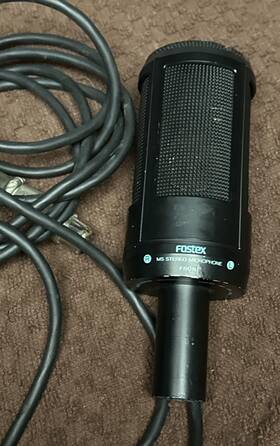
( Brand: Fostex ), ( Manufacturer Part Number: M20RP ), ( Model: FOSTEX M20RP ), ( Part Type: Ribbon ), ( Form Factor: Ribbon Microphone ), ( Color: Black ), ( Connectivity: Wired, 5 Pin ), ( Features: Stereo, Na )
Review FOSTEX Stereo Ribbon Mic 1980vintage 5-pin
The **Fostex M20RP Stereo Ribbon Microphone**, a relic from the golden era of analog recording in the 1980s, stands as a testament to the artistry and engineering prowess of its time. This rare and highly sought-after microphone is a dual-channel, figure-8 (bidirectional) ribbon design, encased in a sleek, vintage aluminum body that exudes both elegance and durability. The M20RP was originally developed for professional studio use, particularly for capturing wide, immersive stereo recordings with unparalleled clarity and depth. Its most distinctive feature is the iconic **5-pin connector**, a unique and collectible detail that distinguishes it from modern microphones. This connector, along with the microphone s dual ribbon elements, allows for balanced, low-noise performance, making it ideal for recording acoustic instruments, vocal harmonies, or ambient soundscapes with a warm, natural tone.
The M20RP operates on a **phantom-powered ribbon design**, delivering a smooth, extended frequency response that emphasizes the midrange and upper mids while maintaining a subtle presence in the low-end perfect for capturing the intricate details of strings, woodwinds, or even vocal performances. Its figure-8 polar pattern ensures that sound is picked up from both sides of the microphone, creating a natural stereo image that mimics the way human ears perceive space. This makes it an invaluable tool for engineers seeking to replicate the rich, three-dimensional sound of classic recordings from the era. The microphone s build quality is equally impressive, with robust internal components and a sturdy, weather-resistant casing that ensures longevity, even by today s standards.
For collectors and audio enthusiasts, the M20RP is not just a microphone it s a piece of recording history. Its vintage design, combined with its exceptional sound and rarity, makes it a prized addition to any studio or collection. Whether used for modern recording projects seeking that authentic analog warmth or preserved as a vintage artifact, the Fostex M20RP remains a symbol of the golden age of analog sound, offering a blend of technical precision and timeless craftsmanship that continues to inspire musicians and engineers alike.
The Fostex M20RP is a classic stereo ribbon microphone from the 1980s, known for its warm, natural sound and vintage aesthetic. Below is a detailed breakdown of its pros and cons, followed by a conclusion and recommendation.
---
### **Pros of the Fostex M20RP**
1. **Exceptional Sound Quality**
The M20RP is renowned for its smooth, detailed, and natural sound, particularly in stereo recording. Its ribbon elements deliver a rich, mid-focused tone with subtle presence boost, making it ideal for acoustic instruments, vocals, and ambient recordings. The stereo imaging is wide and accurate, capturing a natural sense of space.
2. **Vintage Aesthetic and Build**
As a relic from the 1980s, the M20RP has a distinctive retro look with a sturdy metal construction. The five-pin connector (a legacy from older Fostex mics) adds to its nostalgic appeal, though it requires an adapter for modern interfaces.
3. **Versatility**
While primarily a stereo microphone, the M20RP can be used in mono for certain applications (e.g., close-miking instruments) due to its balanced output. Its frequency response (30Hz 15kHz) is broad enough for most recording needs, though it lacks the extreme low-end extension of modern large-diaphragm condensers.
4. **Low Output and Warm Character**
The ribbon s low output is often considered an asset, as it contributes to a softer, more organic sound. This can be advantageous for recording delicate sources like strings, piano, or vocal close-mics, where a "live" feel is desirable.
5. **Durability**
Ribbon mics are generally robust if handled carefully. The M20RP s metal construction suggests it can withstand years of use, though ribbon elements are more fragile than dynamic or condenser diaphragms.
6. **Cultural Significance**
For audio enthusiasts and collectors, owning a piece of recording history like the M20RP adds sentimental value. It s a mic that has been used on countless classic recordings, from film soundtracks to studio sessions.
---
### **Cons of the Fostex M20RP**
1. **High Sensitivity to Proximity Effect**
Ribbon mics are prone to proximity effect, where low frequencies boom when the source is too close. The M20RP requires careful placement to avoid muddiness, especially with vocal recordings or close-miking instruments.
2. **Low Output and Need for Preamps**
The mic s low output means it often requires a high-gain preamp to reach usable levels. This can introduce noise or distortion if the preamp isn t clean or well-matched to the mic. Some modern interfaces may struggle to capture its signal cleanly without additional gain staging.
3. **Five-Pin Connector Compatibility**
The five-pin connector is outdated and not standard on modern audio interfaces. You ll need an adapter (often sold separately) to connect it to a modern setup, which can introduce potential signal degradation or grounding issues if not properly shielded.
4. **Limited Polar Patterns**
The M20RP lacks adjustable polar patterns (e.g., cardioid, figure-8). Its fixed stereo configuration (likely XY or MS) restricts flexibility in recording techniques. While this isn t a dealbreaker for stereo work, it can be limiting for mono applications.
5. **Ribbon Element Fragility**
Ribbon mics are more delicate than dynamic or condenser mics. They can be damaged by strong magnetic fields (e.g., nearby speakers or transformers), physical shocks, or excessive handling. The M20RP s ribbon elements are particularly sensitive to polarity reversal, which can cause permanent damage.
6. **Noisy in Quiet Environments**
Due to its low output and lack of internal noise reduction, the M20RP may struggle in very quiet recording scenarios. Condenser mics with built-in phantom power are often better suited for low-level sources.
7. **Limited Availability and Condition**
As a vintage mic, finding a well-preserved M20RP in good working condition can be challenging and expensive. Many units on the market may have wear, dust, or internal issues. Testing the mic before purchase is crucial.
8. **No Built-in Pop Filter or Windshield**
Unlike modern mics, the M20RP lacks protective accessories. Recording plosives or outdoor sounds without additional shielding can result in unwanted noise.
---
### **Conclusion**
The Fostex M20RP is a remarkable microphone for those who prioritize vintage sound quality, stereo imaging, and the charm of analog recording. Its warm, detailed tone and historical significance make it a favorite among audiophiles, filmmakers, and musicians seeking a unique character. However, its limitations such as low output, fragility, and compatibility issues mean it s not the most practical choice for every situation.
The M20RP excels in:- Stereo recording of acoustic instruments (guitars, pianos, strings).
- Ambient and field recordings where its natural sound shines.
- Vintage-inspired projects where authenticity is key.
- Collectors or enthusiasts who appreciate its legacy.
It struggles with:- Close vocal miking (due to proximity effect and low output).
- Modern studio setups without proper adapters or preamps.
- High-output sources (e.g., drums, loud amplifiers) without additional attenuation.
---
### **Recommendation**
Buy the Fostex M20RP if:- You re recording primarily in stereo and value its smooth, analog sound.
- You have a vintage or film-style project where its character is desirable.
- You re willing to invest in a high-quality preamp and adapters to handle its low output and connector.
- You appreciate the mic as a collector s item or for its historical value.
Avoid the M20RP if:- You need a versatile, modern microphone for vocals or dynamic sources.
- Your setup lacks a clean, high-gain preamp capable of handling its low output.
- You require adjustable polar patterns or built-in noise reduction.
- You re on a tight budget, as vintage mics often come with additional costs (adapters, testing, repairs).
For a more practical alternative, consider modern ribbon mics like the **Sony C-80G** or **AEA R84** if you want similar sound with better compatibility. If you re set on the M20RP, prioritize finding a unit in excellent condition, test it thoroughly, and pair it with a reliable preamp (e.g., a **Neve 1073, API 2500, or Focusrite ISA One**). With proper care, it can be an incredible tool for capturing timeless sound.
Details:
This microphone, in classic black color, features a unique ribbon design and stereo capabilities. The Fostex M20RP Stereo Ribbon Mic is a vintage piece of audio equipment from the 1980 The Fostex M20RP is a sought-after model known for its high-quality sound reproduction and stylish design, making it valuable addition to any microphone collection.
part #: m20rp price
- $1500.00
specifications micwisys:
- brand: Fostex
- mpn: M20rp
- model: Fostex M20rp
- part type: Ribbon
- form factor: Ribbon Microphone
- color: Black
- connectivity: Wired, 5 Pin
- features: Stereo, Na
shipping micwisys:
- class: Standard
- type: Calculated
- cost: $19.48
- carrier: FedEx
- transit: 4-8 Days
- service: FedEx Ground / FedEx Home Delivery
returns micwisys:
- policy: Returns Accepted
- time: 30 Days
- method: Money back
- paid by: Buyer
offer micwisys:
- sold: 0
- started: February 18, 2026
- quantity: 1
- availability: In Stock
- options: Ship-to-home
- best offers: True
seller micwisys:
- # reviews: 693
- rating: 97.7%
- city: San Jose, California
payments micwisys:
- credit card: Visa
- other
- wallet: Google-pay
general micwisys:
- condition: Used
- Musical Instruments Gear > Pro Audio Equipment > Microphones Wireless Systems
Fostex M20RP Is Similar To:
- Fostex M88rp Ribbon Microphone (57.5% similar) Guitar amps, mono drum overhead, piano. This is a sleeper mic. The mic does show a some wear but its rugged little thing. I've always liked its small form factor. Fostex M88RP printed ribbon microphone. Even close mics up on piano strings. Sounds great anywhere you'd usually put a ribbon microphone...(December 10th, 2024)
- Fostex M505 Rare Vintage Unidirectional Moving Coil Microphone Box (37.9% similar) The box has surface wear/ creasing. Up for sale is a rare vintage Fostex M505 unidirectional moving coil microphone with the box and directions. In mint condition - looks like it was rarely used...(April 5th, 2025)
