TELEX WLM-200 Omnidirectional Electret Lapel Microphones Lemo Connector
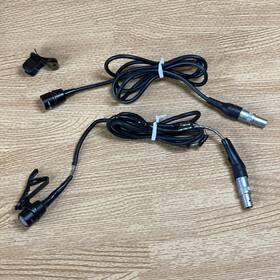
( Brand: Telex ), ( Manufacturer Part Number: WLM-200 ), ( Bundled Items: Clip Holder ), ( Color: Black ), ( Diaphragm Size: Small ), ( Transducer Type: Condenser ), ( Suitable For: Broadcasting ), ( Form Factor: Condenser Microphone ), ( Type: Lavalier ), ( Unit Type: Unit ), ( Polar Pattern: Cardioid ), ( Mount Type: Tie Clip ), ( Connectivity: Ta4f )
Review TELEX Vtg Pair Omnidirectional Electret Lapel Microphones Lemo Connector
The Telex WLM-200 is a highly sought-after vintage omnidirectional electret condenser lapel microphone, celebrated for its exceptional clarity, reliability, and timeless audio quality making it a favorite among audio engineers, podcasters, and broadcast professionals. Designed with a robust yet unobtrusive form factor, this microphone features a sleek, compact body that seamlessly attaches to a lapel or collar via its secure mounting clip, ensuring minimal obstruction while delivering crisp, natural sound capture. At its core lies a high-quality electret condenser element, which excels in converting subtle vocal nuances into pristine audio with remarkable fidelity, free from the coloration often found in dynamic mics. The omnidirectional pickup pattern ensures even sound capture from all directions, reducing the need for precise positioning while maintaining a balanced frequency response that preserves the warmth and depth of the human voice.
The WLM-200 stands out with its durable yet elegant construction, featuring a sturdy metal housing that protects its delicate internals while lending a professional aesthetic. A defining characteristic of this microphone is its **LEMO connector**, a robust and weather-resistant interface that ensures a stable, interference-free connection to audio interfaces, mixers, or recording devices. This connector not only enhances durability in demanding environments but also provides a secure fit, reducing the risk of accidental disconnections a critical feature for live broadcasts, field recordings, or studio sessions where reliability is paramount. The microphone s compact size and lightweight design make it ideal for on-camera use, voiceovers, or portable setups, where space and mobility are concerns.
Beyond its technical prowess, the Telex WLM-200 carries a vintage charm that appeals to audiophiles and collectors alike. Originally manufactured during an era when precision engineering was paramount, this microphone embodies a blend of classic craftsmanship and modern functionality. Its omnidirectional sensitivity ensures consistent performance in various acoustic environments, from quiet control rooms to slightly reverberant spaces, making it a versatile tool for both studio and field applications. Whether used in professional broadcasting, podcasting, or archival audio preservation, the WLM-200 delivers a warm, detailed sound signature that captures the essence of the voice with unmatched clarity and authenticity. For those seeking a microphone that combines vintage elegance with contemporary performance, the Telex WLM-200 remains an unparalleled choice proving that some audio gear transcends its era to become a timeless essential.
The Telex WLM-200 is a vintage omnidirectional electret lapel microphone with a LEMO connector, originally designed for professional audio applications like broadcasting, recording, and live sound. Below is a detailed breakdown of its pros and cons, followed by a conclusion and recommendation.
---
**Pros:**1. **High-Quality Sound:** The WLM-200 is known for its warm, natural sound reproduction, which is often praised for its clarity and low noise floor. The electret condenser design delivers a full frequency response, making it suitable for voice capture in professional settings.
2. **Omnidirectional Pickup Pattern:** The omnidirectional design captures sound from all directions equally, which can be advantageous in uncontrolled environments where background noise or multiple sound sources are present. This makes it useful for interviews, podcasts, or field recordings where positioning is flexible.
3. **Durability and Build Quality:** As a vintage piece, the WLM-200 is built to last, with a robust metal construction and a sturdy LEMO connector, which is less prone to wear compared to traditional XLR connectors. This makes it a reliable choice for long-term use, especially in rugged environments.
4. **Low Self-Noise:** Electret condensers like the WLM-200 are designed to minimize internal noise, resulting in a cleaner audio signal. This is particularly beneficial for applications where quiet operation is critical, such as studio recordings or quiet voiceovers.
5. **Versatility:** The LEMO connector, while less common than XLR, is durable and can be easily adapted to modern audio interfaces or mixers using appropriate cables or adapters. It is also less likely to suffer from cable damage or interference compared to smaller connectors.
6. **Vintage Aesthetic and Prestige:** For audiophiles or professionals who appreciate vintage equipment, the WLM-200 carries a certain prestige. Its classic design and reputation in broadcasting circles can add value to a setup, especially for those working in traditional or heritage audio environments.
7. **Compatibility with Legacy Systems:** If you are working with older broadcasting equipment or systems that rely on LEMO connectors, the WLM-200 is an ideal match. It integrates seamlessly with vintage audio gear, making it a practical choice for historical or archival projects.
---
**Cons:**1. **Vintage and Limited Availability:** The WLM-200 is no longer in production, which means finding replacements for worn-out parts or matching units can be challenging. Prices may also be higher due to scarcity, especially for well-preserved examples.
2. **LEMO Connector Limitations:** While the LEMO connector is durable, it is not as widely supported as XLR. This means you may need adapters or custom cables to connect it to modern audio interfaces, mixers, or recording devices. Some interfaces may not have LEMO inputs, requiring additional conversion steps.
3. **Power Requirements:** Electret condensers typically require phantom power (usually 48V) to operate. While this is standard in most professional audio setups, some vintage or non-professional equipment may not provide it, requiring an external power supply or phantom power injector.
4. **Potential for Wear and Tear:** As with any vintage equipment, the WLM-200 may show signs of aging, such as worn-out cables, degraded seals, or dust accumulation inside the microphone. Regular maintenance and cleaning are necessary to ensure optimal performance.
5. **Limited Modern Features:** Unlike modern microphones, the WLM-200 lacks features such as built-in pop filters, adjustable polar patterns, or digital connectivity. This can limit its flexibility in certain modern recording or broadcasting scenarios.
6. **Cost of Replacement Parts:** If the microphone or its components fail, sourcing replacements can be difficult and expensive. The LEMO connector, while robust, may still require specialized cables or adapters, adding to the overall cost of ownership.
7. **Learning Curve:** For those unfamiliar with vintage audio equipment, setting up and maintaining the WLM-200 may require additional research or troubleshooting. Understanding phantom power, cable compatibility, and potential issues with older electronics can be a hurdle for beginners.
---
**Conclusion:**The Telex WLM-200 is a high-quality, durable, and versatile microphone that excels in professional audio applications where sound clarity and reliability are paramount. Its omnidirectional design, low self-noise, and robust build make it a favorite among broadcasters, podcasters, and audio enthusiasts who appreciate vintage equipment. However, its limited availability, LEMO connector limitations, and potential maintenance challenges can be drawbacks, particularly for modern setups or those without access to specialized tools or knowledge.
The WLM-200 is best suited for users who:- Work in environments where vintage or legacy equipment is preferred or required.
- Prioritize sound quality and durability over modern convenience.
- Have experience with or are willing to invest time in maintaining and adapting vintage audio gear.
- Are working with systems that support LEMO connectors or can easily accommodate adapters.
For those who prioritize modern connectivity, ease of use, and wider availability of parts, newer microphones with XLR or USB connections may be more practical. However, if you are drawn to the WLM-200 s sound and heritage, it remains an excellent choice for the right application.
**Recommendation:**If you are a professional broadcaster, podcaster, or audio engineer working in a setting where the WLM-200 s characteristics align with your needs such as live field recordings, vintage-style broadcasts, or high-quality voice capture in controlled environments then purchasing one is highly recommended. Ensure you have the necessary phantom power source and adapters for your setup, and be prepared for potential maintenance tasks.
For beginners, hobbyists, or those working in modern digital environments, consider pairing the WLM-200 with a high-quality audio interface that supports LEMO inputs or use adapters to connect it to XLR-equipped gear. If you are unsure about maintaining vintage equipment, you might also explore modern alternatives that offer similar sound quality with greater convenience.
Ultimately, the WLM-200 is a worthwhile investment for those who value its unique qualities and are willing to accommodate its limitations.
Details:
Condition: One mic looks good, the other has significant damage to insulation of its wire. Unable to test these mics because I don't have matching transmitter packs. I've included a screenshot of the 1989 Telex catalog featuring these items. Listed for sale here is a pair of vintage Telex WLM-200 Omnidirectional Lavalier Electret Condenser Microphones w/ Each lav mic has 36 cable terminating in LEMO connectors two pin.
Includes the two WLM-200 lav mics, one Telex mic clip, and off-brand clip.
part #: wlm200 price
- $49.99
specifications micwisys:
- brand: Telex
- mpn: Wlm-200
- bundled items: Clip Holder
- color: Black
- diaphragm size: Small
- transducer type: Condenser
- suitable for: Broadcasting
- form factor: Condenser Microphone
- type: Lavalier
- unit type: Unit
- polar pattern: Cardioid
- mount type: Tie Clip
- connectivity: Ta4f
general micwisys:
- condition: Used
- Musical Instruments Gear > Pro Audio Equipment > Microphones Wireless Systems
returns micwisys:
- method: Money back
- policy: Returns Accepted
- time: 30 Days
- paid by: Buyer
shipping micwisys:
- cost: $8.39
- transit: 3-7 Days
- class: Expedited
- type: Fixed
- service: USPS Priority Mail
- carrier: USPS
seller micwisys:
- rating: 99.4%
- city: Detroit, Michigan
- # reviews: 3606
payments micwisys:
- other
- credit card: Discover
- wallet: Google-pay
offer micwisys:
- started: June 3, 2026
- quantity: 1
- options: Ship-to-home
- sold: 0
- availability: In Stock
Telex WLM-200 Is Similar To:
- 745ta4 Telex Communications Schs Headset With Connector New (46% similar) All statements regarding products and their configurations are made to the best of our ability with assumption that buyer is knowledgeable proficient in use this type equipment. No manuals, standard power cords, even if it appears in the photo, accessories, software etc are not included unless ...(June 22nd, 2018)
- Egm-18n Telex New Electret Condenser Gooseneck Microphone (42.3% similar) If possible, include photos or video to assist in understanding the problem. New Telex EGM-18N 18 electret condenser goose neck microphone this item is in a sealed original factory package. Having trouble. The box may have minor damage, writing, or labels attached...(April 7th, 2018)
- Elm-33 Telex Working Electret Lapel Microphone Lavalier No Clip (57.3% similar) I tested it using test wires to an XLR connector and works. There is no plug on the cord. There is no model number on it, but it looks just like the ELM-33. This is a working Telex lapel microphone. There is no mic clip...(March 9th, 2018)
- Pr24n Pr-24n Telex Communications Charger Dock Cradle Police Wireless Lapel Radio (37.3% similar) Tests good but the connector has been clipped from end of cable. We combine shipping on multiple items...(November 14th, 2018)
- Wlm-100 200 Telex Wlm Electret Omnidirectional Lapel Microphone (62.1% similar) Untested Telex wlm electret omnidirectional lapel microphone designed to be used with a wireless system. The microphone frequency response is 50-15,000 Hz and long with 3 mounting clips. See photos for more details...(February 25th, 2019)
- Telex 701001090402 Desktop Computer Microphone Audio Products Vtg (42.8% similar) Works unknown model but rare works...(September 6th, 2024)
- Telex Ur12l Pro Star By Uhf Wireless Lapel Mic Receiver Ac Adapter Box Works (42.3% similar) Part #: Telex UR12L for sale...(September 20th, 2024)
- Telex Vb12 Prostar Ch 05 180.200mhz Lapel Mic Free Ship Sd3 (31.7% similar) Pictures are of actual item. Pro star Telex VB12 lapel mic. Shipping is free and fast from the Midwest...(September 28th, 2024)
- Rts Telex Ifb-325 Pair Of Single Channel Ifb Belt Packs Tested And Working 325 (32.5% similar) Please message me if you'd like to make a bulk purchase. Humidity: non-condensing. The IFB-325 features volume controls in an extruded aluminum case. Pulled from a functioning and now decommissioned TV studio. This sale is for a pair of Telex rats IFB-325 units. See photos for condition, which shows...(October 26th, 2024)
- Telex Eng-100 100 Channel Receiver Lt-100 Uhf Synthesized Transmitter Pair (20.8% similar) Telex ENG-100 100 channel, receiver LT-100 uhf synthesized transmitter pair pair...(March 6th, 2025)
- Telex 71062-32 Vintage Wireless Microphone Lapel Transmitter Untested Powers On (40.3% similar) Vintage Telex 71062-32 wireless microphone. Clean battery bay. Powers on with a 9v battery. Mic pop filter is dry-rotted...(June 1st, 2025)
