NEUMANN 53083 Condenser Microphone 1980S Microphone. 2ND Gen.
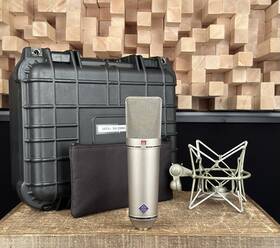
( Brand: Neumann ), ( Manufacturer Part Number: 53083 ), ( Model: U87A I U87AI U87 AI 53083 ), ( Part Type: Condenser Microphone )
Review NEUMANN 1980condenser Microphone. 2nd Gen. U87 Ai
The Neumann U87AI is a legendary condenser microphone that transcends its status as a mere tool, evolving into a cornerstone of professional audio recording and broadcasting. Introduced in the late 1970s as the second-generation iteration of the iconic U87, this microphone represents a pinnacle of German engineering and acoustic precision, blending the refined craftsmanship of its predecessor with cutting-edge advancements in condenser technology. Designed for studio, broadcast, and high-end field applications, the U87AI embodies versatility and sonic excellence, making it a staple in the arsenals of engineers, producers, and artists across genres. Its large-diaphragm capsule, featuring a 1-inch gold-sputtered Mylar diaphragm, delivers an unparalleled dynamic range and clarity, capturing the subtlest nuances of vocal performances, acoustic instruments, and ambient soundscapes with remarkable fidelity. The microphone s three selectable polar patterns cardioid, omnidirectional, and figure-8 offer unmatched flexibility, allowing users to tailor the capture of sound to their specific needs, whether isolating a solo voice in a controlled studio environment or embracing the full spatial richness of a live performance.
The U87AI s legendary preamplifier, housed within its robust and timeless aluminum body, is a marvel of analog circuitry, featuring a high-pass filter, a pad switch, and a built-in phantom power supply. The high-pass filter, with its adjustable cutoff frequency, helps tame unwanted low-end rumble and proximity effect, while the 10dB pad ensures protection against overloading in high-SPL scenarios. The microphone s legendary low self-noise of just 12dBA one of the quietest in its class ensures that the recorded signal remains pristine, free from the intrusive hiss that can plague less refined microphones. The U87AI s output is characterized by its warm, detailed, and slightly extended high-frequency response, which has earned it a reputation for producing vocals and instruments with a natural, open, and three-dimensional quality. Whether tracking a singer s breathy nuances or capturing the intricate overtones of a grand piano, the U87AI s sonic signature is instantly recognizable and deeply sought after in the music industry.
Beyond its technical brilliance, the Neumann U87AI carries with it a rich legacy that dates back to its introduction in 1970 as the U87, a microphone that quickly became synonymous with studio recording. The second-generation U87AI, released in the 1980s, refined this legacy by incorporating improvements in durability, ergonomics, and sonic performance, making it even more reliable and versatile for modern recording demands. Its iconic design, featuring a sleek, rounded body and a distinctive grille, exudes a sense of timeless elegance that has made it a coveted piece for both professional studios and discerning collectors. The microphone s robust construction, combined with its legendary durability, ensures that it can withstand the rigors of daily use in demanding environments, from high-traffic broadcast studios to the most exacting recording sessions. Whether used on vocals, acoustic guitars, strings, or even as a room microphone for capturing the ambiance of a live performance, the U87AI consistently delivers a sound that is both powerful and nuanced, embodying the essence of Neumann s commitment to acoustic perfection.
For audio professionals who demand nothing less than the best, the Neumann U87AI is more than just a microphone it is a statement of craftsmanship, innovation, and sonic artistry. Its ability to capture the full spectrum of human and instrumental expression with unmatched clarity and depth has cemented its place as one of the most influential microphones in the history of audio recording. Whether you are a seasoned engineer seeking the ultimate tool for your studio or a musician aspiring to achieve studio-quality results, the U87AI offers a blend of technical prowess and artistic inspiration that is unparalleled. With its legendary reputation, enduring design, and sonic superiority, the Neumann U87AI remains a benchmark for excellence, a microphone that continues to shape the sound of modern music and broadcasting.
The Neumann U87 series, particularly the second-generation models from the 1980s like the U87A, U87AI, and U87 (with the 53083 being a variant or accessory), are legendary microphones in the audio industry. Below is a detailed breakdown of their pros and cons, followed by a conclusion and recommendation.
---
### **Pros of Buying a 1980s Neumann U87 (2nd Gen) or Related Models**
1. **Legendary Sound Quality**
The U87 is renowned for its warm, detailed, and transparent sound signature, particularly in the midrange and highs. It excels in vocal recording, acoustic instruments, and orchestral work due to its balanced frequency response and low self-noise. The second-generation models refined the original design, offering improved consistency and reduced proximity effect.
2. **Versatility**
The U87 is a multi-pattern microphone, featuring cardioid, omnidirectional, and figure-8 (stereo) modes. This versatility makes it suitable for a wide range of applications, from solo vocals to large ensemble recordings. The figure-8 pattern is particularly prized for stereo recording techniques like the Blumlein pair.
3. **Durability and Build Quality**
Neumann microphones are built to last, with robust construction and high-quality materials. The U87 s internal components, including the capsule and preamp, are designed to withstand years of use, especially when stored properly. Many second-generation U87s from the 1980s are still in excellent condition after decades of service.
4. **Historical Significance and Prestige**
Owning a Neumann U87, especially a model from the 1980s, carries prestige in the audio community. It has been used on countless iconic recordings, from pop and rock to classical and film soundtracks. The microphone s reputation as a "professional s choice" adds value to its ownership.
5. **Consistency and Reliability**
Neumann microphones are known for their reliability. The U87 s circuitry and capsule are designed to maintain performance over time, provided they are well-maintained. Many second-gen U87s still sound as good as new if they ve been stored correctly and serviced when needed.
6. **Resale Value**
Due to their demand and limited production numbers, Neumann U87s (especially older models) hold their value well. A well-preserved 1980s U87 can be resold for a significant amount, making it a sound investment for collectors and professionals alike.
7. **Compatibility with Modern Gear**
While the U87 is an analog microphone, it can be easily interfaced with modern recording setups. Most second-gen U87s have a standard XLR output and can be used with any modern preamp or audio interface. Some users may need to invest in a phantom power supply if recording in omnidirectional mode, but this is a minor consideration.
8. **Aesthetic Appeal**
The U87 s design is iconic, with its black and gold finish (or other color variants) and distinctive shape. It serves as both a functional tool and a statement piece in a recording studio.
---
### **Cons of Buying a 1980s Neumann U87 (2nd Gen)**
1. **High Initial Cost**
A well-preserved 1980s Neumann U87 can be expensive, often ranging from $2,000 to $5,000 or more, depending on condition, rarity, and demand. This makes it a significant investment, especially for hobbyists or those just starting in professional recording.
2. **Maintenance and Servicing Costs**
Like all analog microphones, the U87 requires periodic servicing to maintain optimal performance. This includes cleaning the capsule, checking the preamp, and replacing worn-out components. Servicing costs can add up over time, especially if the microphone is used frequently. Finding a qualified technician familiar with Neumann microphones can also be challenging in some regions.
3. **Sensitivity to Handling**
The U87 s capsule is delicate, and mishandling (e.g., dropping, exposing to moisture, or subjecting to extreme temperatures) can damage it. This makes it important to handle the microphone with care, especially if it s an older model with potentially weakened internal components.
4. **Phantom Power Dependency**
The U87 requires phantom power (typically 48V) to function properly, especially in omnidirectional mode. While this is standard for most modern setups, it can be a minor inconvenience if recording in environments where phantom power isn t readily available (though this is rare in professional studios).
5. **Limited Modern Features**
The U87 is a classic analog microphone with no built-in digital features (e.g., no USB output, no headphone monitoring, or digital signal processing). This means it requires additional equipment (e.g., an audio interface, preamp, and mixing console) to be fully utilized. For modern workflows that rely on digital integration, this can be a drawback.
6. **Potential for Wear and Tear**
Even if a 1980s U87 appears to be in good condition, it may show signs of wear over time. This could include slight discoloration, minor cosmetic damage, or internal degradation that affects sound quality. Buying from a reputable seller with a detailed history of the microphone is crucial to avoid hidden issues.
7. **Not Ideal for All Applications**
While the U87 is incredibly versatile, it may not be the best choice for every recording scenario. For example:- **Electric guitars and drums**: The U87 s sensitivity to high SPL (sound pressure levels) can be a drawback for close-miking loud sources unless a pad is used. Dynamic microphones like the Shure SM57 are often preferred for these applications.
- **Field recording**: The U87 s size and weight make it less practical for portable or outdoor recording compared to smaller, rugged microphones.
- **Modern digital workflows**: If you re primarily working with digital audio workstations (DAWs) and rely on plugins for processing, the U87 s analog nature may feel limiting without additional gear.
8. **Ethical and Environmental Concerns**
Purchasing a vintage microphone contributes to the secondary market for used equipment, which can sometimes perpetuate unethical practices (e.g., buying from unscrupulous sellers or supporting labor exploitation in the manufacturing of new microphones). If sustainability is a concern, consider buying new Neumann microphones (e.g., the U87 Ai) or exploring other high-quality used options.
---
### **Conclusion**
The Neumann U87 (2nd gen, 1980s models like the U87A, U87AI, or U87 with the 53083 accessory) is one of the most sought-after microphones in the world, and for good reason. Its unmatched sound quality, versatility, and durability make it a staple in professional studios. However, the high cost, maintenance requirements, and lack of modern conveniences mean it s not the right choice for everyone.
For **professional audio engineers, studio owners, or serious enthusiasts** who prioritize sound quality and have the budget for maintenance, a well-preserved 1980s U87 is an excellent investment. It will likely outlast many modern microphones and retain its value over time. Additionally, owning a piece of audio history adds a unique dimension to your recording setup.
For **hobbyists, beginners, or those on a budget**, the U87 may be overkill. In such cases, consider newer Neumann models (e.g., the U87 Ai, U89, or U67), which offer similar performance with modern features and lower maintenance costs. Alternatively, other high-quality vintage microphones (e.g., Neumann KM 184, AKG C414, or Shure SM7B) might better suit your needs without the premium price tag.
---
### **Recommendation**
- **Buy a 1980s Neumann U87 if:**- You are a professional audio engineer or studio owner with a budget for high-end equipment.
- You prioritize sound quality and historical significance over modern conveniences.
- You are prepared to invest in regular servicing and maintenance.
- You plan to use the microphone for vocal recording, acoustic instruments, or orchestral work where its strengths shine.
- You find a well-documented, pristine example from a reputable seller (e.g., with a service history and original packaging).
- **Consider a newer Neumann model (e.g., U87 Ai) or alternative vintage microphones if:**- You want modern features (e.g., built-in headphone monitoring, lower self-noise) without sacrificing too much sound quality.
- You are a beginner or hobbyist who may not fully utilize the U87 s capabilities.
- You prefer a more affordable option that still delivers excellent performance (e.g., the Neumann U67 or AKG C414).
- **Avoid buying a 1980s U87 if:**- You cannot afford the initial purchase or ongoing maintenance costs.
- You lack the knowledge or resources to properly care for the microphone.
- Your primary use cases do not align with the U87 s strengths (e.g., recording electric guitars or drums close-miked).
Ultimately, the Neumann U87 is a microphone for those who appreciate craftsmanship, history, and uncompromising sound. If it fits your needs and budget, it
Details:
I can ship worldwide. The head of the microphone is still sealed. Circuit and capsule are perfect. Note that these were the last U87s made by original Neumann ownership.
They are slightly brighter and louder than the Gen1, but very pleasant, with a more gentle tone in comparison to latest U87Ai. All original. These mics have a very balanced tone. The Neumann wax seal over the screw indicates that all components of capsule assembly are still originally intact and were never opened.
Everything works well and the mic sounds great. The body is in very good shape. This is a 1980Neumann U87A. This particular U87A I is in exceptional shape inside.
part #: 53083 prices
- $1001.64-$2880.00
specifications micwisys:
- brand: Neumann
- mpn: 53083
- model: U87a I U87ai U87 Ai 53083
- part type: Condenser Microphone
general micwisys:
- condition: Used
- Musical Instruments Gear > Pro Audio Equipment > Microphones Wireless Systems
offer micwisys:
- best offers: True
- availability: In Stock
- sold: 0
- options: Ship-to-home
- quantity: 1
- started: May 13, 2026
seller micwisys:
- rating: 100.0%
- city: Nashville, Tennessee
- # reviews: 1264
payments micwisys:
- other
- wallet: Paypal
- credit card: Visa
shipping micwisys:
- carrier: UPS
- transit: 3-7 Days
- service: UPS Ground
- cost: $80.00
- class: Standard
- type: Fixed
returns micwisys:
- policy: No Returns
Neumann 53083 Is Similar To:
- 00615104083998 Neumann Tube Mic Large Diaphragm Condenser Microphone Capsule (44.4% similar) A logo to see our listings. The k 49 capsule Nash well-known from legendary u 47 and m microphones is followed by a tube functioning as an impedance converter. The ideal operating point of tube is maintained throughout its entire life expectancy. As its ancestors, the m 149 tube is a superb vocalist...(May 22nd, 2018)
- 007166 Neumann Usa Tlm 170rmt Microphone (42.7% similar) It may be easily removed or mounted on the opposite side of microphone when required. 20 khz sensitivity at 1 into ohm 8 MTV pa rated impedance 50 ohms load ohms equivalent noise level, CCIR1 26 db A-WEIGHTED1 14 db-a signal-to-noise ratio, rel. The n 48 R-2 will provide phantom power and ...(January 19th, 2017)
- 008430 Neumann Tlm 103 Large-diaphragm Condenser (33.6% similar) Off-axis sounds are rendered naturally while isolation is increased. These characteristics are achieved without resorting to corrective resonance effects. The large wire mesh head grille protects capsule from plosive sounds and effectively prevents pop noises. The TM 103 is a great mic for any pro ...(February 21st, 2017)
- 008681 Neumann Condenser Microphone Rhodium Edition Mic Accessories New 615104314924 (43.5% similar) This unit is new. Packed in original box with all factory inclusions...(June 28th, 2018)
- 4006087084304 Neumann Tlm Nickel Condenser Microphone (46.2% similar) Neumann TM 103 nickel condenser microphone condition is new. Shipped with USPS priority mail...(December 31st, 2018)
- 8389 Neumann Km 184 Condenser (39.6% similar) Like new no dings,dents or scuffs, comes with 2 shock mounts...(April 8th, 2017)
- 8430-old Neumann Tlm Large Diaphragm Condenser Microphone Nickel 642892786299 (46.8% similar) Available in satin nickel and matte black. The large-diaphragm Neumann TLM-103 microphone provides platinum-quality sound on a bronze budget, using transformer less circuitry for ultra low self-noise and handling high pressure levels up to 138DB. Selecting immediate pay is the way to go. Off-axis ...(March 8th, 2018)
- 8501 Neumann Tlm 103 Anniversary Microphone (45% similar) TM 103 anniversary edition matched pair. Sequential serial numbers. Everything as pictured...(January 3rd, 2017)
- Ak40 Neumann Capsule For Microphone Diy Project Etc (42.2% similar) These are made to mate with the KM100-SERIES microphone preamps module. This one is complete, but has issues. Nonetheless, I must list this for parts or repair, as you'll have a bit of work to put it use. Feel free to ask me any questions using the link above. The threads that attach to preamps are ...(June 2nd, 2018)
- B009e5legg Neumann Tlm 67 Condenser (35.7% similar) Acoustic features the microphone is addressed from side on which Neumann logo located. It should be used only when there is a risk of overloading following devices due to very high sound pressure levels. The selected setting is indicated by a symbol shown in window above switch. On the occasion of ...(March 17th, 2017)
- B0753gm3nr Neumann Tlm Large Diaphragm Condenser Microphone Black With 686924564974 (47.5% similar) Selecting immediate pay is the way to go. Memory cards and any other blister pack items are not returnable once opened. The capsule, derived from that used in Neumann u 87, has a cardio id pattern, is acoustically well-balanced and provides great attenuation of signals rear. 8 and to 65MM. Items ...(June 19th, 2018)
