WESTERN ELECTRIC RA-1142 Microphone
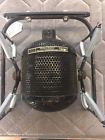
( Brand: Western Electric ), ( Model: RA-1142 ), ( Part Type: Microphone ), ( Connector S : Xlr 3 Pin ), ( Suited For: Studio Recording ), ( Country/region Of Manufacture: United States )
Review WESTERN ELECTRIC Microphone Rare Serial Beautiful
The RA-1142 Western Electric Microphone, produced in 1943, is a vintage piece of audio equipment that holds a significant place in the history of sound recording. This microphone is a testament to the engineering excellence and innovation of its era, showcasing the craftsmanship and quality that Western Electric was renowned for.
The RA-1142 is a large-diaphragm dynamic microphone, characterized by its robust construction and exceptional sound quality. It features a single, hand-wound coil and a large, vacuum-formed diaphragm made of Mylar, a material known for its ability to capture a wide frequency range with great detail and accuracy. The microphone's diaphragm is suspended in a shock mount, designed to reduce mechanical vibrations and ensure a clean, clear sound.
The RA-1142 has a distinctive appearance, with its matte black finish and chrome accents. The microphone body is made of sturdy metal, giving it a solid, weighty feel that exudes quality and durability. The microphone's grille is made of perforated metal, allowing sound to pass through while also protecting the diaphragm.
The RA-1142 is designed to be used with XLR-3 connectors, making it compatible with a wide range of audio equipment. It operates on a balanced, low-impedance signal, ensuring minimal noise and interference, even over long cable runs.
The RA-1142 Western Electric Microphone is not just a piece of audio equipment; it's a time capsule that transports you back to the golden age of sound recording. Its sound is warm, rich, and full-bodied, lending a unique character to any recording. Whether you're a professional audio engineer, a music enthusiast, or a collector, the RA-1142 is a must-have addition to your collection.
Pros of buying a RA-1142 Western Electric Microphone (1943):1. Historical Significance: The RA-1142 is a vintage microphone with a rich history, having been produced by Western Electric, a subsidiary of AT&T, in 1943. This microphone was used in professional recording studios and broadcasting stations during its time, making it an attractive piece for collectors and those interested in audio history.
2. Unique Sound Quality: The RA-1142 is known for its warm, rich, and full-bodied sound. Its design and construction allow for excellent frequency response, which can add a unique character to your recordings.
3. Build Quality: Western Electric microphones were renowned for their build quality, and the RA-1142 is no exception. The microphone is made of high-quality materials, such as brass and nickel, and is built to last.
4. Potential Investment: As a vintage piece, the RA-1142 has the potential to increase in value over time, making it a potential investment for collectors.
Cons of buying a RA-1142 Western Electric Microphone (1943):1. High Price: Vintage microphones, including the RA-1142, can be expensive. The cost of the microphone may be prohibitive for some buyers, especially if they are not planning to use it for professional recording or broadcasting purposes.
2. Limited Availability: Due to its age, the RA-1142 is a rare and hard-to-find microphone. This limited availability can make it more expensive and harder to find in good condition.
3. Technical Issues: As with any vintage piece, the RA-1142 may have technical issues, such as worn-out parts or electrical issues. These issues can be expensive to repair and may require specialized knowledge or expertise.
4. Lack of Compatibility: The RA-1142 is an analog microphone and may not be compatible with modern recording equipment. This may require additional equipment or adapters to use the microphone, which can add to the overall cost.
Conclusion:The RA-1142 Western Electric Microphone (1943) is a unique and desirable piece for collectors and those interested in audio history. Its warm, rich sound and excellent build quality make it an attractive option for professional recordings. However, its high price, limited availability, potential technical issues, and lack of compatibility with modern equipment are important considerations. Ultimately, whether or not to buy the RA-1142 depends on your budget, recording needs, and interest in vintage audio equipment.
Recommendation:If you are a collector or audio enthusiast with a passion for vintage audio equipment, the RA-1142 Western Electric Microphone (1943) is a worthwhile investment. However, if you are a professional recording engineer or broadcaster looking for a reliable and affordable microphone, there may be other options that better suit your needs. Do your research, consider your budget, and determine if the RA-1142 is the right choice for you.
Details:
Named as one of 12 mics that made history. It offered a selection of r ribbon bi-directional,dynamic Omani-directional and c cardio id or combined pattern. This mic has the original ribbon and sounds amazing. The 639b added another three variations of combined pattern for a total six patterns.
It produces some truly remarkable sounds adding nice presence above what a typical vintage ribbon mic will capture. Earp, a division of Western, re designed the acoustic cage 639 for motion picture use, designating it as RA-1142 transmitter. This mic also has a very low serial 24.
639b, it features the 6 positions selector RC - ribbon figure of eights dynamic non-directional both elements cardio 1 cardio with little rear sensitivity 2 moderate sensitivity 3 heavy sensitivity photo gallery. In the early forties, Electrical research products inc. These have both a ribbon and dynamic element that can be used separately or combined. Background: in 1938, Western Electric, drawing on ribbon technology for the rest and only time, produced switchable multi-pattern microphone, combining its well-respected 630a Omani-directional dynamic unit with a uniquely crimped bi-directional assembly Electric ra rare original sounds amazing very low serial 24 up your consideration is this beautiful vintage RA-1142 microphone.
Its output impedance, as with all previous Western mics excepting condensers, was 50 ohms.
part #: ra1142 prices
- $4980.00-$7985.00
specifications micwisys:
- brand: Western Electric
- model: Ra-1142
- part type: Microphone
- connector s : Xlr 3 Pin
- suited for: Studio Recording
- country/region of manufacture: United States
Returns micwisys:
- policy: no returns
Payments micwisys:
- PayPal
Shipping micwisys:
- type: Flat
- handling: 1 days
- cost: $50.0
Ratings:
- Hope to deal with you again. Thank you. 12-01-17
- Good buyer, prompt payment, valued customer, highly recommended. 12-07-17
- great saxophone, A 12-04-17
- Great seller! Fast shipping, as described ,highly recommended,AAA 12-02-17
- Perfect 12-03-17
Seller micwisys:
- city: San Jose, California
- zipcode: 95113
General micwisys:
- in stock: Yes
- musical instrumentsgear > pro audio equipment musical instruments gear > microphones pro audio equipment
- condition: Used
Offer micwisys:
- quantity: 1
- Sold: 0
- bids: 0
- best offer: false
- Started: December 9, 2017, 1:04 pm
Western Electric RA-1142 Is Similar To:
- 639a Western Electric Vintage Ribbon And (57.5% similar) This is an original Western Electric microphone and not the Alec version. It is compatible with modern stand threads. Shipping outside the USA requires using global program rules. The flag can be easily removed if necessary. There is a rotary switch on the back which allows user to select between ...(February 20th, 2017)
- Western Electric 640aa Tube Condenser Microphone Capsule Rare (55.4% similar) The inscription on the box states that this capsule was calibrated by NBS national bureau of standards in 1982 . The capsule was not tested and is sold as...(November 30th, 2024)
- Western Electric Ks-20660-l2 Vintage Shure Brothers Microphone 20 Ft Cord Tested (46.7% similar) Cord length : comes equipped with a 20 ft cord, providing ample length for studio recordings, live performances, or as dynamic piece in your collection. Suitable for use in modern recording projects looking that authentic vintage sound. Versatility: ideal for collectors, audio engineers, ...(December 25th, 2024)
- Western Electric 394-w Antique Condenser Microphone Brass Housing As Is (50.5% similar) Antique Western Electric 394-W condenser microphone brass housing as is this in found condition, from an estate. Due to age possibly 100 years and electronic nature. Western Electric 394W which research suggests is the original before it became just 394...(June 8th, 2025)
- Western Electric 387w Early Carbon Microphone 1b Housing 600a Tube Amplifier (50% similar) Vast majority of the time when you see one these, housing is long gone. This was something added later and can easily be removed. The carbon form factor and specific model details make it a valuable addition to any vintage audio setup, making must-have for those looking capture the essence of ...(December 6th, 2025)
